


Posts
 https://ecomercioagrario.com/wp-content/uploads/2017/03/170315_Unica-Group_Grupo-AN.jpg
149
338
Redacción ECA
https://ecomercioagrario.com/wp-content/uploads/2022/01/banner-eca-ing.jpg
Redacción ECA2017-03-15 12:43:032017-03-15 12:43:03Unica Group, through its AN Group, participates in a food innovation project, with 1,600M€
https://ecomercioagrario.com/wp-content/uploads/2017/03/170315_Unica-Group_Grupo-AN.jpg
149
338
Redacción ECA
https://ecomercioagrario.com/wp-content/uploads/2022/01/banner-eca-ing.jpg
Redacción ECA2017-03-15 12:43:032017-03-15 12:43:03Unica Group, through its AN Group, participates in a food innovation project, with 1,600M€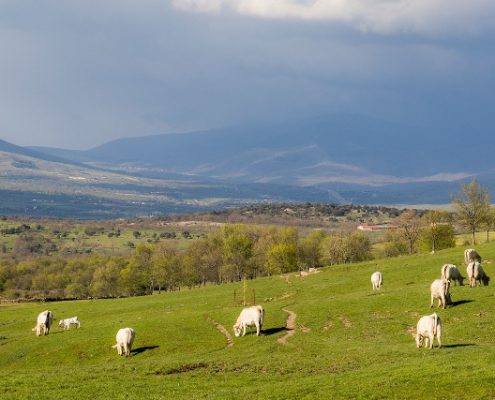 https://ecomercioagrario.com/wp-content/uploads/2017/02/170220_UPA_CETA.jpg
427
640
Redacción ECA
https://ecomercioagrario.com/wp-content/uploads/2022/01/banner-eca-ing.jpg
Redacción ECA2017-02-20 12:34:182017-02-20 12:34:18UPA warns that CETA will hurt the interests of the European agri-food sector
https://ecomercioagrario.com/wp-content/uploads/2017/02/170220_UPA_CETA.jpg
427
640
Redacción ECA
https://ecomercioagrario.com/wp-content/uploads/2022/01/banner-eca-ing.jpg
Redacción ECA2017-02-20 12:34:182017-02-20 12:34:18UPA warns that CETA will hurt the interests of the European agri-food sector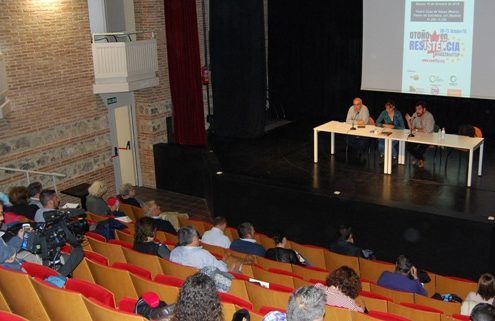 https://ecomercioagrario.com/wp-content/uploads/2016/10/161018_presentación-estudio-TTIP.jpg
321
650
Redacción ECA
https://ecomercioagrario.com/wp-content/uploads/2022/01/banner-eca-ing.jpg
Redacción ECA2016-10-19 17:46:402016-10-19 17:46:40COAG augurs very negative effects on its new studies impacts of TTIP
https://ecomercioagrario.com/wp-content/uploads/2016/10/161018_presentación-estudio-TTIP.jpg
321
650
Redacción ECA
https://ecomercioagrario.com/wp-content/uploads/2022/01/banner-eca-ing.jpg
Redacción ECA2016-10-19 17:46:402016-10-19 17:46:40COAG augurs very negative effects on its new studies impacts of TTIP https://ecomercioagrario.com/wp-content/uploads/2016/10/161013_Diálogo-con-ciudadanos.jpg
248
641
Redacción ECA
https://ecomercioagrario.com/wp-content/uploads/2022/01/banner-eca-ing.jpg
Redacción ECA2016-10-13 23:31:012016-10-13 23:31:01Dialogue of Commissioner Hogan and the Minister of Agriculture in European key with citizens
https://ecomercioagrario.com/wp-content/uploads/2016/10/161013_Diálogo-con-ciudadanos.jpg
248
641
Redacción ECA
https://ecomercioagrario.com/wp-content/uploads/2022/01/banner-eca-ing.jpg
Redacción ECA2016-10-13 23:31:012016-10-13 23:31:01Dialogue of Commissioner Hogan and the Minister of Agriculture in European key with citizens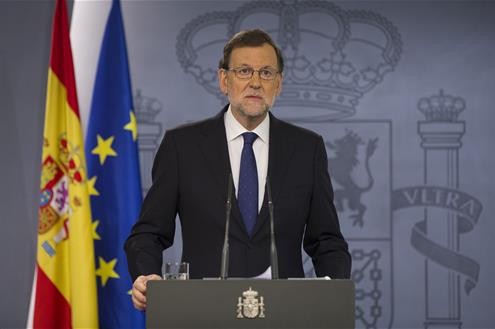 https://ecomercioagrario.com/wp-content/uploads/2016/06/Rajoy.jpg
329
496
Redacción ECA
https://ecomercioagrario.com/wp-content/uploads/2022/01/banner-eca-ing.jpg
Redacción ECA2016-06-25 12:04:342016-06-25 12:46:47The Government asks serenity and tranquility over the Brexit
https://ecomercioagrario.com/wp-content/uploads/2016/06/Rajoy.jpg
329
496
Redacción ECA
https://ecomercioagrario.com/wp-content/uploads/2022/01/banner-eca-ing.jpg
Redacción ECA2016-06-25 12:04:342016-06-25 12:46:47The Government asks serenity and tranquility over the Brexit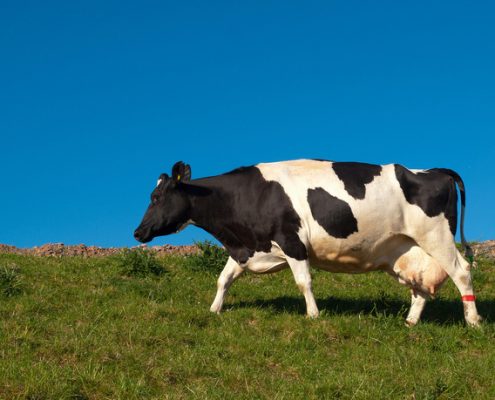 https://ecomercioagrario.com/wp-content/uploads/2016/04/cow-1318901-638x459.jpg
459
638
Redacción ECA
https://ecomercioagrario.com/wp-content/uploads/2022/01/banner-eca-ing.jpg
Redacción ECA2016-04-06 23:48:122016-04-07 00:02:41Spain: A dismal year without milk quotas
https://ecomercioagrario.com/wp-content/uploads/2016/04/cow-1318901-638x459.jpg
459
638
Redacción ECA
https://ecomercioagrario.com/wp-content/uploads/2022/01/banner-eca-ing.jpg
Redacción ECA2016-04-06 23:48:122016-04-07 00:02:41Spain: A dismal year without milk quotas https://ecomercioagrario.com/wp-content/uploads/2016/02/red-red-wine-1318927-scaled.jpg
2147
2560
Redacción ECA
https://ecomercioagrario.com/wp-content/uploads/2022/01/banner-eca-ing.jpg
Redacción ECA2016-02-20 17:46:572016-02-20 20:51:11EU exports grow in value with China, Saudi Arabia, Turkey and the United States
https://ecomercioagrario.com/wp-content/uploads/2016/02/red-red-wine-1318927-scaled.jpg
2147
2560
Redacción ECA
https://ecomercioagrario.com/wp-content/uploads/2022/01/banner-eca-ing.jpg
Redacción ECA2016-02-20 17:46:572016-02-20 20:51:11EU exports grow in value with China, Saudi Arabia, Turkey and the United States https://ecomercioagrario.com/wp-content/uploads/2016/02/IMG_7598_2.jpg
324
486
Redacción
https://ecomercioagrario.com/wp-content/uploads/2022/01/banner-eca-ing.jpg
Redacción2016-02-15 15:34:212016-02-15 15:35:17Agricultural Insurance: A tool for agricultural policy to be proud. José María García de Francisco. ENESA
https://ecomercioagrario.com/wp-content/uploads/2016/02/IMG_7598_2.jpg
324
486
Redacción
https://ecomercioagrario.com/wp-content/uploads/2022/01/banner-eca-ing.jpg
Redacción2016-02-15 15:34:212016-02-15 15:35:17Agricultural Insurance: A tool for agricultural policy to be proud. José María García de Francisco. ENESA https://ecomercioagrario.com/wp-content/uploads/2016/02/Anuncio-H3O-01_Env_Sp.jpg
861
1200
Redacción ECA
https://ecomercioagrario.com/wp-content/uploads/2022/01/banner-eca-ing.jpg
Redacción ECA2016-02-15 07:30:522016-02-15 00:34:15A turning point in the protection of fruit trees
https://ecomercioagrario.com/wp-content/uploads/2022/01/banner-eca-ing.jpg
0
0
Redacción ECA
https://ecomercioagrario.com/wp-content/uploads/2022/01/banner-eca-ing.jpg
Redacción ECA2016-01-12 18:33:082016-01-13 11:17:31EU: the EESC wants to reduce the administrative burden on farmers
https://ecomercioagrario.com/wp-content/uploads/2016/02/Anuncio-H3O-01_Env_Sp.jpg
861
1200
Redacción ECA
https://ecomercioagrario.com/wp-content/uploads/2022/01/banner-eca-ing.jpg
Redacción ECA2016-02-15 07:30:522016-02-15 00:34:15A turning point in the protection of fruit trees
https://ecomercioagrario.com/wp-content/uploads/2022/01/banner-eca-ing.jpg
0
0
Redacción ECA
https://ecomercioagrario.com/wp-content/uploads/2022/01/banner-eca-ing.jpg
Redacción ECA2016-01-12 18:33:082016-01-13 11:17:31EU: the EESC wants to reduce the administrative burden on farmers