



Posts
 https://ecomercioagrario.com/wp-content/uploads/2018/05/haro.jpg
667
1000
Redacción ECA
https://ecomercioagrario.com/wp-content/uploads/2022/01/banner-eca-ing.jpg
Redacción ECA2018-05-16 16:02:572018-05-16 16:02:57The Ministry of Agriculture registers more than 238,000 applications for aid from the CAP for the 2018 campaign
https://ecomercioagrario.com/wp-content/uploads/2018/05/haro.jpg
667
1000
Redacción ECA
https://ecomercioagrario.com/wp-content/uploads/2022/01/banner-eca-ing.jpg
Redacción ECA2018-05-16 16:02:572018-05-16 16:02:57The Ministry of Agriculture registers more than 238,000 applications for aid from the CAP for the 2018 campaign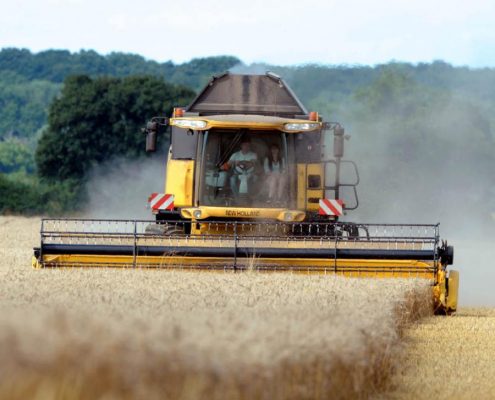 https://ecomercioagrario.com/wp-content/uploads/2017/12/171201_PAC.jpg
727
1156
Redacción ECA
https://ecomercioagrario.com/wp-content/uploads/2022/01/banner-eca-ing.jpg
Redacción ECA2018-05-04 09:15:432018-05-04 00:23:47Cooperativas Agro-alimentarias de España considers the EU budget proposal negative and not very ambitious
https://ecomercioagrario.com/wp-content/uploads/2017/12/171201_PAC.jpg
727
1156
Redacción ECA
https://ecomercioagrario.com/wp-content/uploads/2022/01/banner-eca-ing.jpg
Redacción ECA2018-05-04 09:15:432018-05-04 00:23:47Cooperativas Agro-alimentarias de España considers the EU budget proposal negative and not very ambitious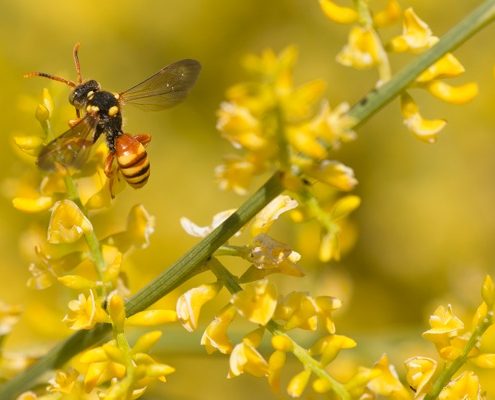 https://ecomercioagrario.com/wp-content/uploads/2015/12/Polinizadores-abejas-cuco-Nomada.jpeg
400
600
Redacción ECA
https://ecomercioagrario.com/wp-content/uploads/2022/01/banner-eca-ing.jpg
Redacción ECA2018-04-30 09:10:102018-04-28 13:08:18The EU bans three neonicotinoids considered dangerous for bees
https://ecomercioagrario.com/wp-content/uploads/2015/12/Polinizadores-abejas-cuco-Nomada.jpeg
400
600
Redacción ECA
https://ecomercioagrario.com/wp-content/uploads/2022/01/banner-eca-ing.jpg
Redacción ECA2018-04-30 09:10:102018-04-28 13:08:18The EU bans three neonicotinoids considered dangerous for bees https://ecomercioagrario.com/wp-content/uploads/2018/04/upa-motana.jpg
667
1000
Redacción ECA
https://ecomercioagrario.com/wp-content/uploads/2022/01/banner-eca-ing.jpg
Redacción ECA2018-04-27 12:48:482018-04-27 13:07:06The filtration of a tree of the new PAC generates great doubts among farmers and ranchers
https://ecomercioagrario.com/wp-content/uploads/2017/12/171201_PAC.jpg
727
1156
Redacción ECA
https://ecomercioagrario.com/wp-content/uploads/2022/01/banner-eca-ing.jpg
Redacción ECA2017-12-01 23:49:472017-12-01 23:49:47The EC calls for a more flexible, sustainable CAP with greater powers for the EE.MM
https://ecomercioagrario.com/wp-content/uploads/2018/04/upa-motana.jpg
667
1000
Redacción ECA
https://ecomercioagrario.com/wp-content/uploads/2022/01/banner-eca-ing.jpg
Redacción ECA2018-04-27 12:48:482018-04-27 13:07:06The filtration of a tree of the new PAC generates great doubts among farmers and ranchers
https://ecomercioagrario.com/wp-content/uploads/2017/12/171201_PAC.jpg
727
1156
Redacción ECA
https://ecomercioagrario.com/wp-content/uploads/2022/01/banner-eca-ing.jpg
Redacción ECA2017-12-01 23:49:472017-12-01 23:49:47The EC calls for a more flexible, sustainable CAP with greater powers for the EE.MM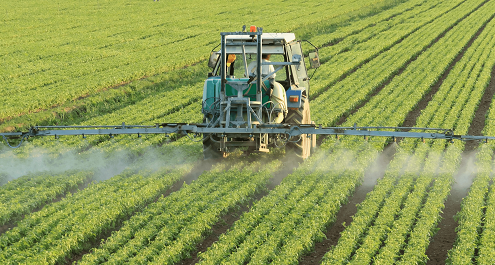 https://ecomercioagrario.com/wp-content/uploads/2017/11/171129_GLIFOSATO.png
265
681
Redacción ECA
https://ecomercioagrario.com/wp-content/uploads/2022/01/banner-eca-ing.jpg
Redacción ECA2017-11-29 13:35:482017-11-29 13:35:48EU: the Spanish field breathes, after authorizing the Commission the use of glyphosate for five more years
https://ecomercioagrario.com/wp-content/uploads/2017/11/171129_GLIFOSATO.png
265
681
Redacción ECA
https://ecomercioagrario.com/wp-content/uploads/2022/01/banner-eca-ing.jpg
Redacción ECA2017-11-29 13:35:482017-11-29 13:35:48EU: the Spanish field breathes, after authorizing the Commission the use of glyphosate for five more years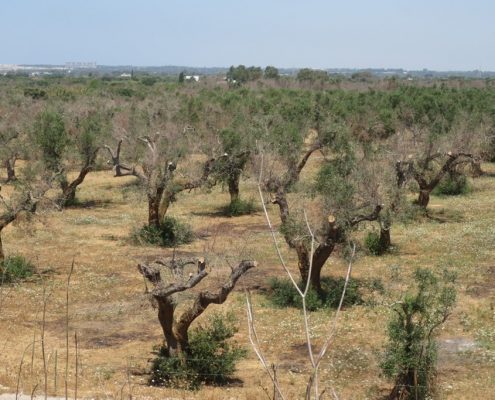 https://ecomercioagrario.com/wp-content/uploads/2017/09/170929_Xylella_Clara.jpg
683
1024
Redacción ECA
https://ecomercioagrario.com/wp-content/uploads/2022/01/banner-eca-ing.jpg
Redacción ECA2017-09-29 13:00:072017-10-01 16:02:56Aguilera urges EU to take urgent steps to halt the advance of Xylella
https://ecomercioagrario.com/wp-content/uploads/2017/09/170929_Xylella_Clara.jpg
683
1024
Redacción ECA
https://ecomercioagrario.com/wp-content/uploads/2022/01/banner-eca-ing.jpg
Redacción ECA2017-09-29 13:00:072017-10-01 16:02:56Aguilera urges EU to take urgent steps to halt the advance of Xylella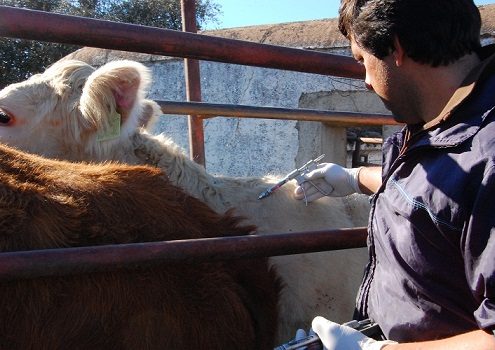 https://ecomercioagrario.com/wp-content/uploads/2017/04/170412_EXPLOTACIÓN-VACUNO_MUUU.jpg
350
527
Redacción ECA
https://ecomercioagrario.com/wp-content/uploads/2022/01/banner-eca-ing.jpg
Redacción ECA2017-04-12 08:13:222017-04-07 22:17:03The “Muuu” platform arrives in Spain to guarantee full traceability in beef
https://ecomercioagrario.com/wp-content/uploads/2017/04/170412_EXPLOTACIÓN-VACUNO_MUUU.jpg
350
527
Redacción ECA
https://ecomercioagrario.com/wp-content/uploads/2022/01/banner-eca-ing.jpg
Redacción ECA2017-04-12 08:13:222017-04-07 22:17:03The “Muuu” platform arrives in Spain to guarantee full traceability in beef https://ecomercioagrario.com/wp-content/uploads/2017/04/170408_Reunion-ALAS-PSOE-alta.jpg
408
1120
Redacción ECA
https://ecomercioagrario.com/wp-content/uploads/2022/01/banner-eca-ing.jpg
Redacción ECA2017-04-08 01:56:242017-04-08 01:56:24ALAS calls on the Socialist Group in Congress to take the scientific approach to its decisions on glyphosate
https://ecomercioagrario.com/wp-content/uploads/2017/04/170408_Reunion-ALAS-PSOE-alta.jpg
408
1120
Redacción ECA
https://ecomercioagrario.com/wp-content/uploads/2022/01/banner-eca-ing.jpg
Redacción ECA2017-04-08 01:56:242017-04-08 01:56:24ALAS calls on the Socialist Group in Congress to take the scientific approach to its decisions on glyphosate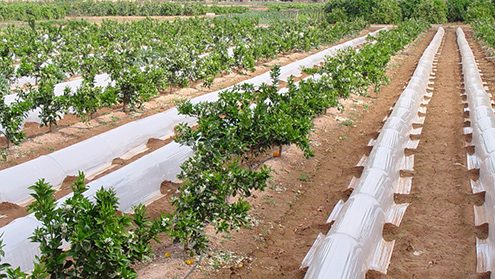 https://ecomercioagrario.com/wp-content/uploads/2017/03/170321_glifosato-ALAS.jpg
279
766
Redacción ECA
https://ecomercioagrario.com/wp-content/uploads/2022/01/banner-eca-ing.jpg
Redacción ECA2017-03-21 17:31:222017-03-21 17:31:22ALAS welcomes the scientific opinion of ECHA which rules out the health risks of glyphosate
https://ecomercioagrario.com/wp-content/uploads/2017/03/170321_glifosato-ALAS.jpg
279
766
Redacción ECA
https://ecomercioagrario.com/wp-content/uploads/2022/01/banner-eca-ing.jpg
Redacción ECA2017-03-21 17:31:222017-03-21 17:31:22ALAS welcomes the scientific opinion of ECHA which rules out the health risks of glyphosate