
EU: the Spanish field breathes, after authorizing the Commission the use of glyphosate for five more years
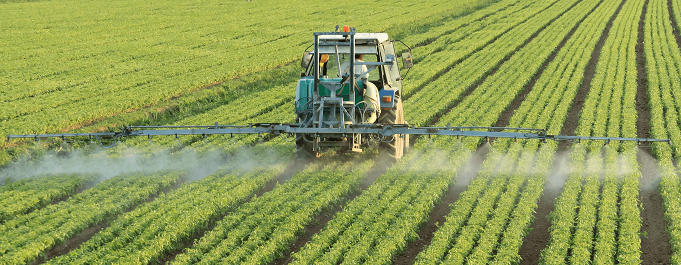
The Spanish countryside breathes easy, after meeting on November 28th the decision of the European Commission to finally authorize, for five more years, the use of the glyphosate herbicide. Gone are two years of negotiations and extensions that has had our agricultural sector in suspense, since, Spain would have been the country that would have been harmed the most, if the pressures for its prohibition have prospered, as it is assured from the agrarian union UPA. For its part, the ALAS alliance, which integrates UPA and ASAJA, Agri-food Cooperatives of Spain, FEPEX, and the Spanish Association of Conservation Agriculture / Living Soils, appreciates that the official scientific agencies of the EU have been heard. endorse the use of this product, although it regrets that the renewal has not been for the fifteen years allowed by the regulations.
Germany has been the key that has opened the door for a temporary authorization of glyphosate, going from abstaining to supporting the proposal of extension. A renewal that has been approved, by qualified majority, “in extremis”, since the current glyphosate permit expired in the middle of this month of December. The German turn has broken the pressure exerted by the bloc of countries that opposed this extension, led by France and Italy. On the other side, leading the position in favor of a new authorization for the use of glyphosate, Great Britain, Spain and the Netherlands.
From the European Parliament, whose common position, voted in its day, advocated a gradual abandonment of the use of this phytosanitary in European crops, the strongest voices against this decision continue to be strongly heard, such as that of Equo MEP Florent Marecellesi, who has ensured that they will work, country by country, to achieve the elimination of glyphosate and propose a commission of research on this product and the interests of the economic pressure groups that exist behind it.
From ALAS it is assured that this measure benefits the whole European society, since the prohibition of glyphosate would endanger the European system of food production as it is known today. In that sense, it regretted that the negotiation process has been artificially lengthened by, in his opinion, “pressures, rumors and political positions that have nothing to do with agriculture, science or health”.

It also expressed its satisfaction at the fact that the countries that were blocking the renewal of the use of glyphosate have “come to their senses”, allowing a decision to be made based on the scientific reports of the official European agencies.
Glyphosate has received positive evaluations from both the European Food Safety Agency (EASA) and the European Chemicals Agency (ECHA)
Since this alliance has been requested, also, that from now on there are no doubts about the renewal of the use of this product for the period of fifteen years that is the usual in this type of decisions.
The farmers ask that you listen to science and start working to get an authorization for fifteen years
“The Spanish and European agriculture played a lot with this decision, and although the renewal should have been for fifteen years, and not five, we believe that the measure is positive and will benefit both farmers and consumers”, they have pointed out.
Sources: UPA and ALAS
YOU MIGHT ALSO LIKE:
➡️AEPLA questions the impartiality and rigor of the IARC regarding glyphosate
➡️Spain: non-renewal of glyphosate would mean losing € 2.1bn and 5,000 jobs