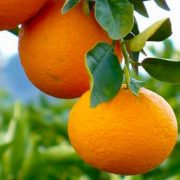

It is time to oranges
Begin stepped citrus harvest and with it the production of juices. The quality of direct orange juice is growing and recognized within and outside our borders.
A few weeks that began gathering in our country makes, and, according to official sources, preliminary estimates indicate that there will be a drop in production of 22% over previous campaigns.
This reduction has been directly affected by the weather conditions and high summer temperatures, however, the Spanish citrus production will be around 6 million tons.
The Valencian Community is the leading producer of citrus, such as orange, tangerine, grapefruit or lemon and represents 65% of total volume, followed by the region of Murcia and Andalusia with 21.8% and 7.2 % respectively.

Approximately 30% of production is destined for fresh consumption and the remaining production of citrus juice 60%, although it is noteworthy white orange destined almost entirely to the production of commercial juice.
Orange juice obtained from healthy and ripe, fresh or preserved by chilling then pasteurized and aseptically packaged. Technological advances favor continuing the juice industry meets the levels of quality, thanks to the design and development processes that favor the optimal preservation of the product and therefore its nutritional value.
Spain is Europe’s leading producer of direct orange juice
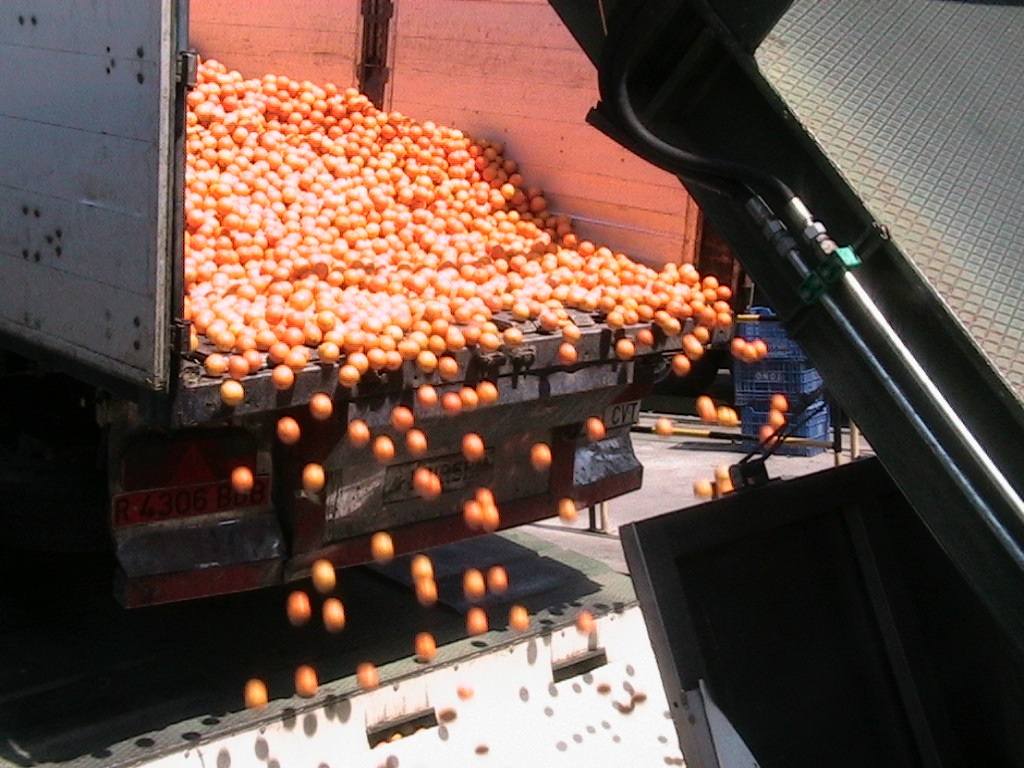
Between October and May, approximately and depending on the weather, the citrus harvest takes place, as a prelude to a subsequent process of selection, extraction, pasteurization and packaging. Orange juice keeps the physical, chemical, organoleptic and nutritional characteristics of the fruit from which it comes and also by law, does not contain added sugars.
The supply of orange juice in our country is very wide. On the shelves of the grocery stores the consumer can find juices with pulp, pulp-free, packaged in glass or tetra pet. In addition, there are products for all consumption patterns, large families, medium and single-family homes, presented in different formats adapted to the routines of modern society.
The commercial packaging of citrus juices and efficiency of distribution channels, allow this product will be available to all consumers in markets around the world, meeting the needs of those countries in which fresh fruit is less accessible and can not squeeze into their homes orange juice. Spain is the largest producer of orange juice in the European Union.
Currently, according to data available for 2014, Spain exported orange juice worth approximately 260 million euros.
By country, the whole of the European Union accounts for almost 80% of Spanish exports of fruit juices. In particular, France is the main destination of Spanish juices representing one third of total Spanish exports juices, representing an economic report of over 200 million euros in 2014. In second place was the United Kingdom who purchase almost 15% of Spanish fruit juices, which has assumed a value of nearly 100 million euros.
Scientifically proven health benefits
Fruit juices are a natural source of vitamins. They are highly antioxidants and contain vitamins C and E to play a key role in the absorption of iron and prevent the risk of cardiovascular diseases.
More than a drink, juices are a source of vitamins and minerals. With its use we can get different nutrients for our body.
Toning and moisturizing, antioxidant, mineralizing, make fruit juices a key to balance our diet and to combat degenerative diseases and certain cancers food.
Link to video of how the juices are made
Source: Asozumos