
Beet campaign will harvest 2 million tons in northern Spain
Spanish producer-marketer, Azucarera, and farmers have confirmed the start of the 2015-2016 season in the northern production area in Spain, with an expected capacity of 2.04 million tons of beet in its three factories, 167,000 tons higher than the previous year received.
The campaign anticipates its inception in relation to 2014 with the business of taking beet scheduled for September 30 at the factory in Toro (Zamora) – day which is expected to receive 2,000 tons of beets – and the beginning of the milling operations, to be held on October 1. This development is due to the increase in area planted in the area, 1,300 hectares more than the previous year.
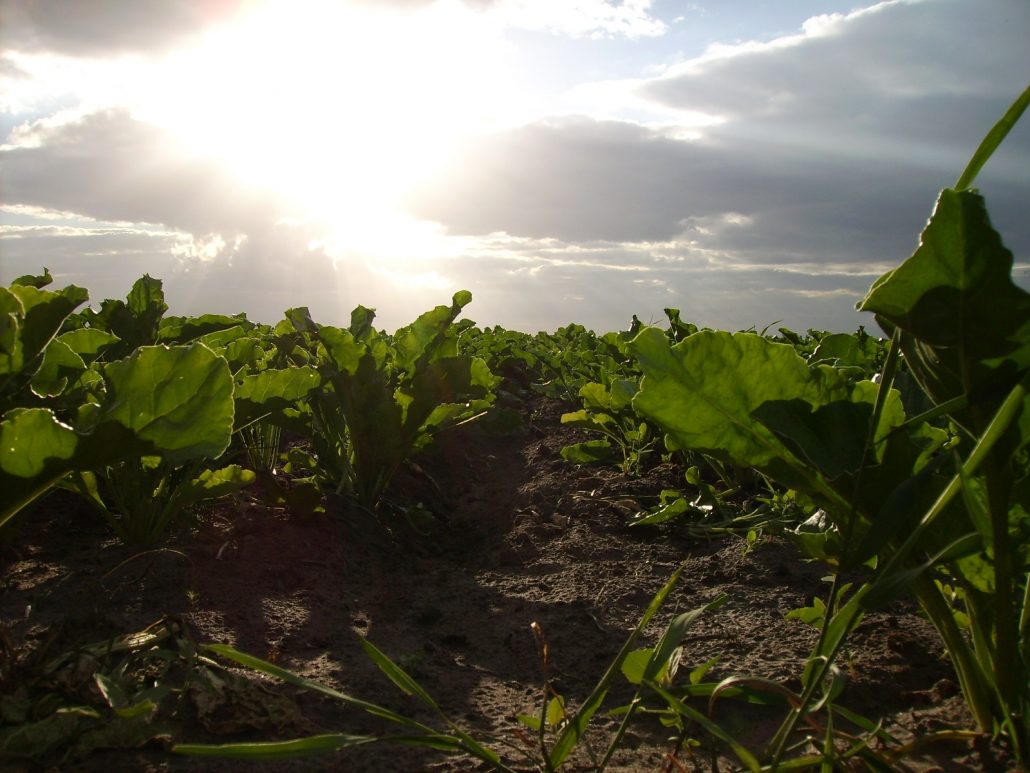
In Toro factory, Azucarera estimated a capacity of 955,000 t of beet from 9,200 hectares of crops. Although it is early to realize returns because the weather of autumn and early winter may influence the final production, the root shows a suitable development for this time of year and forecasts are positive.
Weighing 100% of deliveries

To continue improving the management of the campaign and in response to the demands of farmers, it has agreed the weighing 100% of trucks entering the factory. This practice will improve transparency in the sampling beet vehicles entering the factory and have assumed a more rigorous technical data for the sugar payment to farmers.
Azucarera has done in recent weeks changes in the organization of its agricultural structure in order to improve efficiency and service beet throughout the crop cycle. Salome Santos, new agricultural director of the company, said that “the farmer must be at the heart of the agricultural strategy and understand their needs should be a priority for Azucarera. We have to improve our service and be even closer to the field, prioritizing tasks and focusing on those activities that add value to the crop and make it more competitive. To do so, our field technicians and AIMCRA play a key role. Only in this way will overcome successfully the challenge to production quotas and the sustainability of the sector beyond 2020 “.
The 2015-2016 campaign begins under the criteria established in the Framework Interprofessional Agreement signed on 30 December last year and running until 2020. The farming organizations and Azucarera rely on the stability that the agreement brings to contribute to culture enhance the competitiveness of the sector.
Source: Azucarera