
The Spanish fleet could return to Mauritanian fishing grounds in early December
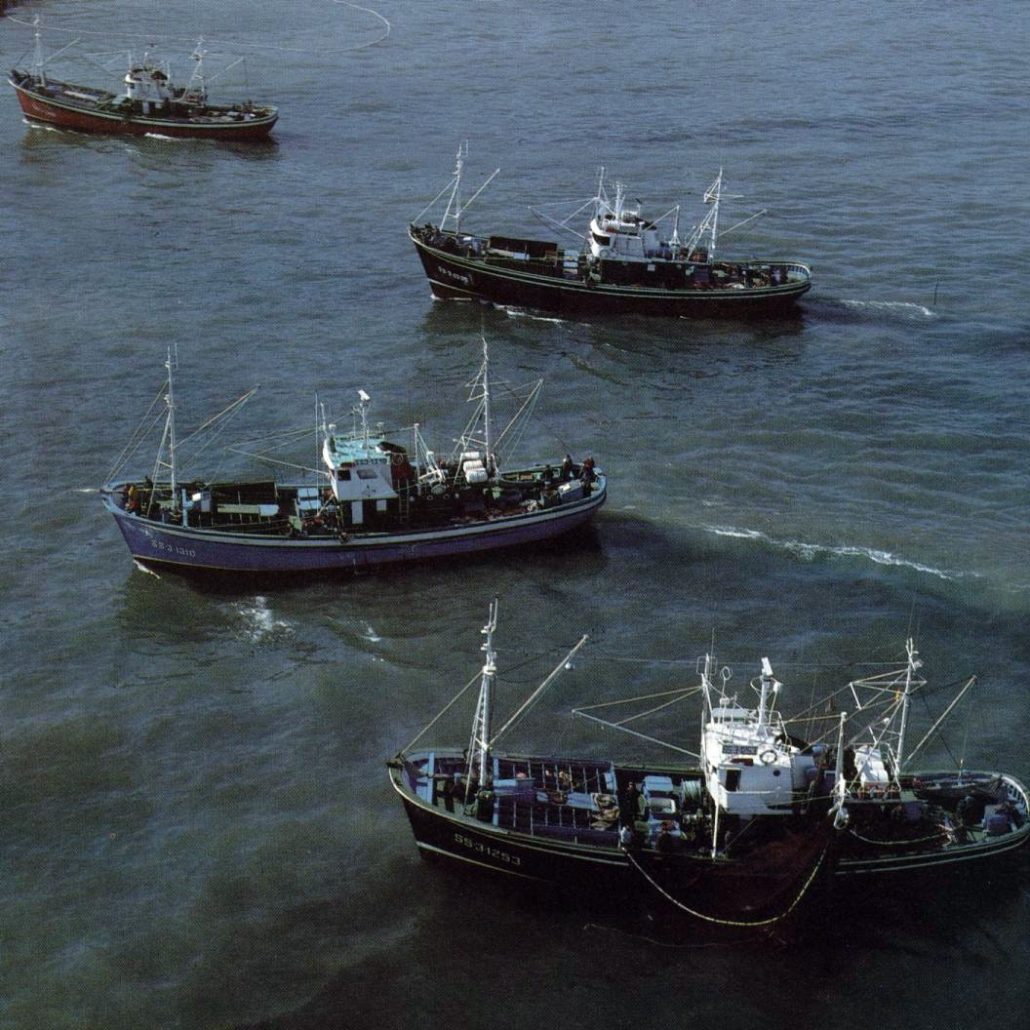
More than 50 Spanish fishing vessels were operating in the Mauritanian fishing ground until December 2014, they may return to those waters from early December, after completion of the licensing process for the first period.
This return to the waters of the Mauritanian fishing ground was made possible following the initialling, on 9 July in Nouakchott, the new Protocol to the fisheries agreement with Mauritania, in the 5th round of negotiations. The whole process has been handled so urgent for approval by the Council of Ministers of the EU, which has enabled both parties signing it in Brussels on 16 November, and its provisional entry into force from That date.
From this moment, the European Commission can already pay the first payment to Mauritania and shipowners, meanwhile, they can start the process of dealing with their new licenses to fish in Mauritanian waters. A very important fishing ground for the Spanish fleet dedicated to catching shellfish and hake, as well as the fleet led to the capture of tuna and other migratory species.
Evaluation of surplus demersal species

The Ministry, through the General Secretariat of Fisheries is conducting, in coordination with the European Commission and in constant dialogue with the industry, intense negotiations to be concluded by the end of January 2016 a meeting between scientists of the Institute of Spanish Oceanography (IEO) and IMROP (Mauritanian Institute of Oceanographic Research and Fisheries) Mauritania, to assess the possible surplus of other demersal species.
This will allow both sides to discuss the inclusion of a new type of demersal trawl freezer in the first Joint Commission, which should be held in late February next year, as collected by the Protocol.
The Commission, with the support of Spain, won the fifth and final round of negotiations in Nouakchott, which could see the freezer vessels access to the exploitation of a number of species such as cuttlefish, squid and toothfish, which They were surplus and allow the Spanish fleet further profitability of the fishing Protocol.
The management of these new possibilities could allow the Mauritanian fishing ground back to some of the units had to leave the same in 2012, due to the lack of surplus octopus, to direct its activity to other abundant and surplus species in those waters.
Source: Ministry of Agriculture of Spain