
The EU brought the consumption of fruits and vegetables and dairy products to more than 30 million children, during the school year 2016/17
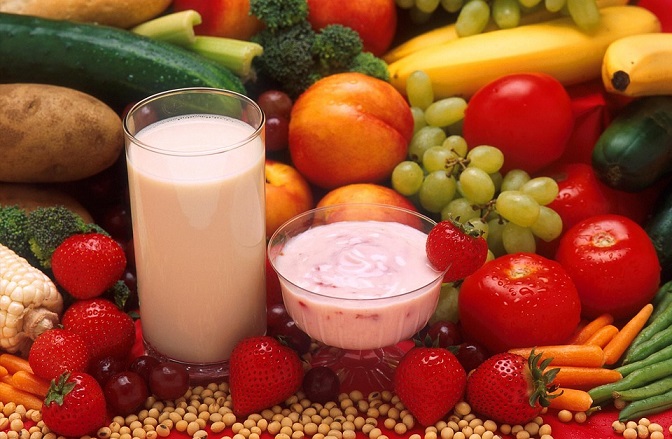
During the 2016/17 school year, the EU brought the consumption of fruit and vegetables to more than 12.2 million children in 79,000 schools, through its fruit and vegetable consumption program. Along the same lines of promoting a healthy diet among the European child population, more than 18 million schoolchildren participated in their milk consumption program. Thanks to both initiatives, more than 74,000 tons of fruit and vegetables and more than 285,000 tons of dairy products were distributed to children between the ages of 6 and 10 years.
Phil Hogan, Commissioner for Agriculture and Rural Development, said: “European farmers provide us with high quality, healthy and safe food, and through our school program, our youngest citizens consume products that are beneficial for their health and at the same time time, they learn at an early age where our food comes from and the importance of flavor and nutrition. The Commission is proud to play its proper role in this educational process. The EU school program can be developed continuously throughout the 2018-2019 academic year thanks to the EUR 250 million contributed by the Common Agricultural Policy“.
The EU school program promotes healthy eating habits among children, with specific educational programs that emphasize the importance of good nutrition and explain how food is produced
During each school year, the program allocates EUR 150 million for the distribution of fruit and vegetables, and EUR 100 million for milk and other dairy products. The national allocations of the 28 Member States participating in the program in the 2018-2019 academic year have just been approved and are expected to be adopted by the European Commission at the end of March.
Countries that wish to participate in the EU school program must notify it and submit their request for assistance to the Commission no later than the end of January. The indicative allocation of the EU budget to each of the Member States is based on the number of schoolchildren in each country and, in the case of milk, on the degree of use of the previous program. National authorities can transfer part (20% -25%) of the budget allocated from one sector to the other. They can also notify their intention to spend more than the requested aid if other Member States refuse to fully utilize their allocation.
In addition to deciding on the concrete way to implement the program, choosing, for example, the thematic educational measures to be used or other agricultural products that can also be offered to children, the Member States have the possibility of supplementing the EU assistance with national aid to finance the program
The choice of distributed products is based on considerations related to health and the environment, seasonality, variety or availability. Member States can encourage the purchase of local or regional products, organic products, short supply chains, environmental benefits and agricultural quality schemes.
Balance school program 2016/17
In 2016-2017, apples were the most widely distributed fruits, along with pears, plums, peaches, nectarines, oranges, strawberries and bananas. Carrots, tomatoes, cucumbers and peppers were the most consumed vegetables
Educational measures included visits to farms, school gardens, cooking classes or competitions, courses with nutritionists, games, etc. Milk, flavored milk and fermented milk products such as yogurt were the most popular product categories of the milk distribution program; the cheese was also widely distributed.
Assignment by Member States for the school year 2018-2019
| Member State | Fruits and vegetables for schools (EUR) | Milk for schools (EUR) |
| Bélgica | 3 405 459 | 1 613 200 |
| Bulgaria | 2 590 974 | 1 130 879 |
| Chequia | 3 956 176 | 1 785 706 |
| Dinamarca | 2 290 761 | 1 460 645 |
| Alemania | 24 868 897 | 10 552 859 |
| Estonia | 547 336 | 724 335 |
| Irlanda | 1 757 779 | 900 398 |
| Grecia | 3 218 885 | 1 550 685 |
| España | 16 529 545 | 7 101 663 |
| Francia | 17 990 469 | 17 123 194 |
| Croacia | 1 664 090 | 800 354 |
| Italia | 20 857 865 | 8 924 496 |
| Chipre | 290 000 | 500 221 |
| Letonia | 785 115 | 733 945 |
| Lituania | 1 099 281 | 1 076 520 |
| Luxemburgo | 335 511 | 200 000 |
| Hungría | 3 747 262 | 1 916 173 |
| Malta | 319 341 | 199 517 |
| Países Bajos | 6 782 991 | 2 401 061 |
| Austria | 2 832 220 | 1 232 449 |
| Polonia | 14 532 073 | 10 846 847 |
| Portugal | 3 283 397 | 2 220 981 |
| Rumanía | 6 866 848 | 10 743 836 |
| Eslovenia | 703 870 | 353 423 |
| Eslovaquia | 2 113 724 | 990 350 |
| Finlandia | 1 599 047 | 3 824 689 |
| Suecia | 0 | 9 184 818 |
| Reino Unido | 0 | 4 937 840 |
| Total | 144 968 917 | 105 031 083 |
Fuente: Spanish Office of the European Commission