
Spain: Spain may withdraw European aid to 129 350 t of fruits and vegetables
July 17, 2015
The aftermath of the Russian veto will not be so bitter. The withdrawals and green harvesting or no harvesting will start on August 1
The European Commission presented its new regulation of exceptional measures of support to producers of fruit and vegetables for the extension of the Russian veto will allow Spain to withdraw 129 350 tonnes, making it the country’s biggest beneficiary, after Poland. The European Commission has presented, in the Group of Experts of the Common Market Organisation of Agricultural Products (OCMA), in Brussels, a draft Commission Delegated Regulation laying down exceptional measures for supporting producers of certain fruit and vegetables. An initiative that responds to the announcement of the Russian authorities to extend the ban on exports from the EU to August 2016, as recalled by the Ministry of Agriculture, Food and Environment in a note.
This project is an extension of the Delegate (EU) No. 1031/2014 Regulation, which was in force until June 30, so it is the same type of measures that have been implemented since the beginning of the veto in August 2014 .
Spain calls for new products are not discarded
Spain has also asked the Commission to continue with the detailed monitoring of markets and the inclusion of other products can not discard in Regulation if deemed necessary in view of the development of campaigns.
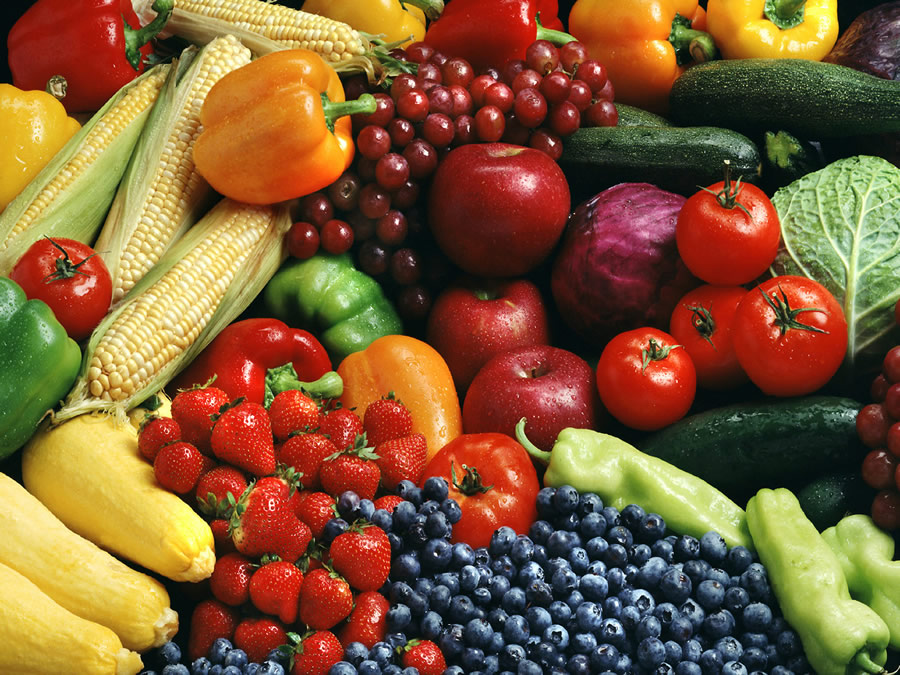
As it regards the products that may benefit from help and has allocated quotas remain those who came to be eligible (apples, pears, plums, table grapes, kiwis, tomatoes, carrots, peppers, cucumbers and gherkins, oranges, clementines, tangerines and lemons). These products peaches and nectarines are added to the list, as requested by the Ministry.
The withdrawals and green harvesting or no harvesting will begin on August 1, or the day of publication of the Regulation if later, and will end when the quotas allocated or June 30, 2016 if these quotas are exhausted not yet have been exhausted, according to the Ministry has stated.
Each country will have 3,000 additional tons to allocate to any product
The draft Regulation assigns each country quotas amounting to the whole EU to about 755,000 tons. Spain is the second country with 129 350 tonnes allocated, only behind Poland, the country affected by the Russian veto.
In addition, each country will have 3,000 additional tons that can be assigned to any product of the quotas allocated to them, as well as cabbage, cauliflower, broccoli, mushrooms and berries, although they have their own quota, could be withdrawn under this general quota, depending on the needs.
This proposal, together with the opening of a quota for payment in kind for the costs of processing of peaches and nectarines announced by Minister García Tejerina, will be key to ensure stability in the market for these products.
The quota of 20,000 tonnes can be used for withdrawals made by producer organizations (POs) as part of their operational programs, as agreements between charities and industries are signed.
And, as of August 1, it may be used for both OPs removed as individual producers carried out under the exceptional measures he qualified the Department.
Source: agroinformacion.com