
Tejerina says trading in the EU has brought “share more and more benefits for Spanish fishermen”
The Minister of Agriculture, Food and Environment, Isabel García Tejerina, stressed today in Brussels that Spain has achieved its objectives in the Council of Fisheries Ministers of the European Union, thanks to rigorous management and the previous work done in collaboration with our scientists. This has allowed, added García Tejerina, achieve a significant improvement in all stocks traded in the Council of Fisheries Ministers, which ended today in the EU capital.
Increase in hake quota
North and stocks that are caught in Community waters (Gran Sol), and that are in good condition, have improved their situation. Thus, northern hake has increased by 19%, reaching a year, a record high of 27,764 tons quota available to the Spanish fleet.
Rooster also has improved by 5%, amounting to 6,483 tonnes fee and in the case of rape the same rate last year is maintained against an initial Commission proposal of 12% reduction.

Stocks Atlantic and the Gulf of Cadiz
The Atlantic and Gulf of Cadiz stocks have improved their situation, with increases of 10% and 26% anchovy in nephrops Spanish request based on the stability of resources.
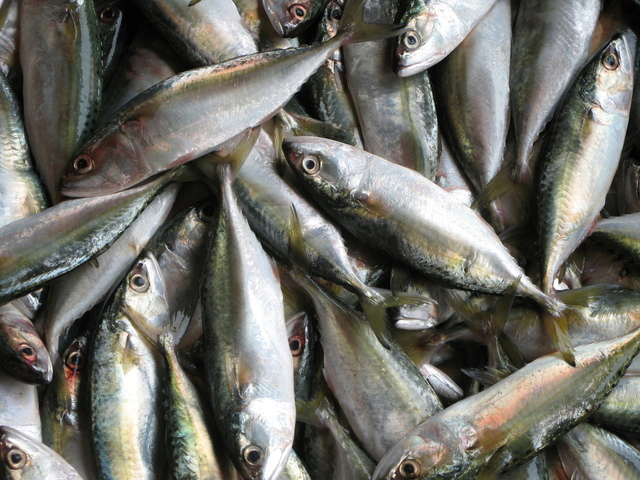
Another species in which there has been a significant rise is mackerel, both northern waters (Gran Sol) and in Iberian waters, where the Spanish quota reaches 15,441 tns in the north and 17,744 tns in Iberian waters, so far benefit basically the coastal fleet, purse and trawl Northwest Bay of Biscay.
Also, two other important stocks for these fleets, such as mackerel and whiting have had remarkable results. In the case of mackerel, and in negotiations with the coastal states (Faroe Islands, Iceland and Norway) was a reduction commitment of only 15%, as the proposal reached by adopting a management plan that limits these variations Initial requesting a reduction of 40%.
Regarding whiting after negotiations with Norway and considering the sensitive situation of the stock, very similar to last year’s quota remains respecting the principles of long-term sustainability.
Other species
For southern stocks (Iberian waters), which are worse biological status has been achieved, based on sound arguments supported by scientific and socioeconomic reports, reduce reduction proposals applying the provisions of the current Common Policy Fishing.
Obtaining the maximum sustainable yield in 2018 and not in 2016 as originally proposed the Commission, will ensure the viability of the activity of the fishermen. This situation allows a reduction of only 21.5% for hake, compared to 60.5% initially proposed by the Commission and 1% and 14% reduction megrim and monkfish, respectively, compared to initial proposals of the Commission on reduction of 26% and 19%.
In other species, of which there was not enough information for reductions of 20% is raised, it has managed to maintain fishing opportunities, so that catches of striped, haddock and whiting are maintained.
Also noteworthy is the commitment of the Commission to revise the TAC for anchovy in the Bay of Biscay, in the event of agreement between the Spanish and French sectors to change the rule of exploitation.
Concerning the additional fee (or top ups) applied to species subject to the obligation to land in 2016, the most important is the southern hake Spain, in which the first Commission proposal represented a 1% increase. After lengthy negotiations, it was able to reach an additional 3.52% increase in the TAC. For northern hake, the additional rise has been 11% for Gran Sol and 8.6% for the Bay of Biscay.
Substantial increase in quotas
The end result of this Council for Spain is additional to our fleet of Gran Sol, the Bay of Biscay and Gulf of Cadiz about 12 million euros, which achieve a substantial improvement in its fishing opportunities, through sustainable management and an strict control of fisheries.
The negotiations carried out by Spain in the last four years, we have given the battle in all fishing tips in defense of our fishermen have been an increase in quotas by more than 80,000 tons, representing a revenue for the sector of more than 160 million euros.
Source: Magrama