
WWD: Irrigated area increased by 8.7% in 15 years
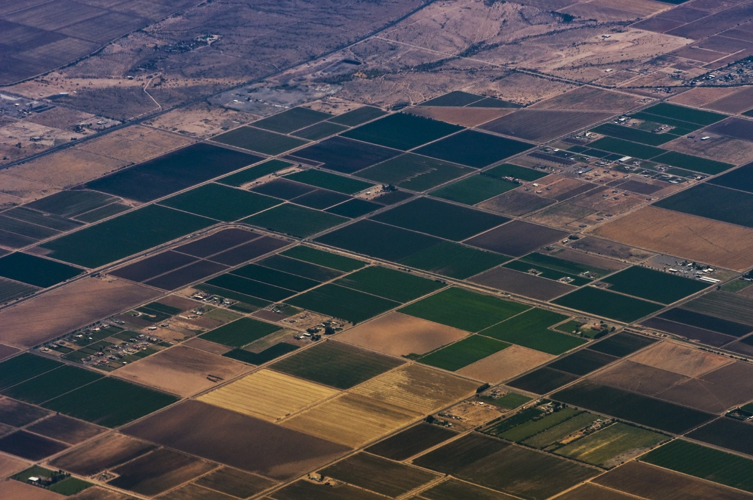
On World Water Day, the Technology Platform for Sustainable Agriculture (SEF) adds value irrigated Spanish model as a way to ensure food supplies. Given the growing world population, irrigation has proven to be essential to ensure supplies of staples tool. In Spain, irrigation accounts for about 15% of the total area cultivated and almost 60% of national agricultural final production.
According to international organizations such as FAO, you will need to increase irrigated production more than 40% by 2030 and more than 70% before 2050 to ensure the supply of basic food growing world population.
In Spain, irrigation accounts for about 15% of the total area cultivated and almost 60% of national agricultural final production. In the last 15 years, the total area of national irrigation is increased 3,344,636 hectares to 3,636,519 hectares, while the volume of irrigation water used in the agricultural sector shows a marked downward trend. The Spanish irrigation accounts for about one third of the total irrigated area in Europe. In 20 years, modernization has reduced water consumption for irrigation by more than 20%. This is due to increased use of more efficient irrigation systems, showing a large decrease in the use of irrigation by gravity while localized irrigation (drip) has increased to nearly half of the irrigated area cultivated.
According to the latest data from the National Statistics Institute, the drip irrigation system proves its efficiency consuming 3239.68 m3 of water per hectare. Sprinkler irrigation and automotive uses 4850.51 m3 of water per hectare and gravity irrigation, the less efficient whose acreage is declining, consumes 6252.86 m3 of water per unit area. Irrigation demand about 16,000 cubic hectometres per year representing 63% of total water consumption.

This improved utilization of water resources in agriculture, is the result of actions undertaken for the modernization of irrigation in Spain, and efficiency in water use, not only for improving their management through works carried out, but also by the progressive evolution towards more efficient irrigation systems. This has contributed to the maintenance and conservation of the environment in the territory, harmonizing the actions necessary irrigation with conservation and ecosystem maintenance.
Modernized irrigation systems help to save water but demand more energy. That is why, since it was abolished in 2008 the special rates, the average increase in the energy bill has been over 100% hindering the viability of farms that have chosen these irrigation systems.
Source: PTAS