
Inicio > International > Spain > UNIÓ denounces the first cases of poisoning of bees by pesticides

UNIÓ denounces the first cases of poisoning of bees by pesticides

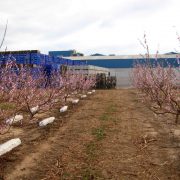
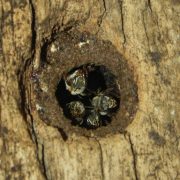
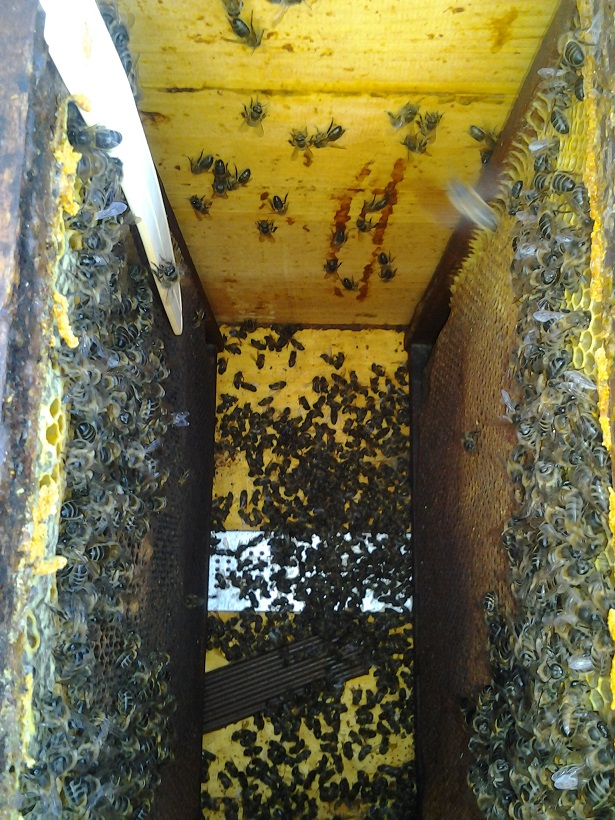
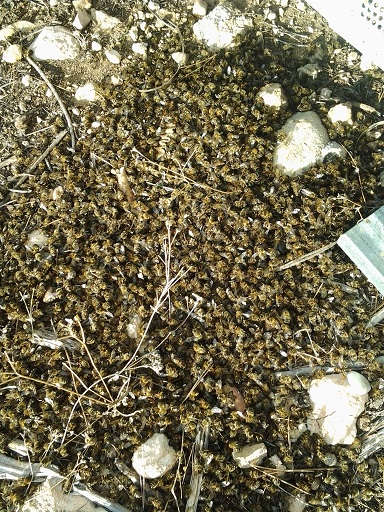
LA UNIÓ de Llauradors has recently denounced the first cases of poisoning of bees that have been detected this year, as a result of the use of pesticides in the flowering of fruit trees, which is usually given from these dates. Thus, in the town of Cheste (Hoya de Buñol), a beekeeper has seen most of his dead bees and beehives practically without activity, which he had installed in a settlement very close to a fruit plantation. He has filed

By Redacción ECA

Share

[dkpdf-button]
SAMSUNG
LA UNIÓ de Llauradors has recently denounced the first cases of poisoning of bees that have been detected this year, as a result of the use of pesticides in the flowering of fruit trees, which is usually given from these dates. Thus, in the town of Cheste (Hoya de Buñol), a beekeeper has seen most of his dead bees and beehives practically without activity, which he had installed in a settlement very close to a fruit plantation. He has filed the corresponding complaint with the Civil Guard Barracks of this town of La Hoya de Buñol and now it is the Seprona who investigates the event.

From LA UNIÓ it is noticed that the agricultural activity and the beekeeping are perfectly compatible, as long as extreme precautions are taken when spraying the fields
In fact, the Ministry of Agriculture issues continuous notices to farmers so that no dangerous phytosanitary products are used during flowering and it would be desirable to avoid their use on these sensitive dates for bees.

This Professional Agricultural Organization points out that it can not be forgotten that the viability of 70% of the main crops depends on the pollination by insects, mainly nuts (almonds) and some fruit and vegetable productions. Although pollination is an activity that goes unnoticed, its function is vital so that the population can be fed.
LA UNIÓ knows cases of Valencian beekeepers that move their beehives to Catalonia or Extremadura to pollinate almond, peach and other fruit trees and charge for it. At the time that the farmers are going to fumigate their fields, they warn them to remove them or perform them at night when the bees do not have activity.


Source: LA UNIÓ


Latest news

Related news

Christina Freier to Lead FRUIT LOGISTICA into the Future

Experienced trade fair manager Christina Freier has taken over the leadership of FRUIT LOGISTICA as of 1 June 2026. In her new role, she will drive the continued development of the world's leading fresh produce trade fair and further expand its global reach. ...

The role of 1-MCP in preserving the quality of pome fruit

SmartFreshâ„¢ technology utilises 1-methylcyclopropene (1-MCP) and offers an effective solution that helps to extend the shelf life of fruit, whilst also helping to reduce food waste and optimise water and energy consumption....
Europatat

Europatat elects Peter Ton as its new President

Europatat has elected Peter Ton as its new President for the 2026–2030 term during its annual Congress in Brussels. The association strengthens its strategic roadmap at a key moment for the European potato trade....

‘The international scope of SOMMET has grown steadily over the last few decades’

Interviews with Emily Aubert, Head of International and Digital Development at Sommet de l'Élevage, who leads the international expansion and digital transformation strategy for one of Europe’s leading livestock trade fairs....