
Turkey will not export fruits and vegetables to Russia
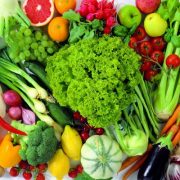
Russia will not allow certain fruit and vegetables imported from Turkey in retaliation for the bombing last week of a Russian Su-24 bomber on the Syrian border incident which has caused a serious diplomatic row between the two countries. The list, which was ratified by the Russian Prime Minister Dmitri Medvedev and enter into force on January 1, 2016, including tomatoes, apples, oranges, tangerines, peaches and Turkish grapes, products that occupy leading positions in the Russian market .
Turkey, which also can export salt, cover more than a third of Russian imports of tomatoes (300,000 tons in the first ten months) and around 20 percent in the case of citrus fruits (255,000 tons).
Among vegetables also they include cucumbers, onions, brussel sprouts and broccoli, but excludes pepper, a scarce commodity in the Russian winter. The sanctions list also includes some parts of chicken, frozen turkey.
Although the government has said other countries such as China, Egypt, Morocco and Argentina can meet Turkish exports, sanctions have had a shorter range than expected at first.
The government decree also suspended the validity of trade and economic agreements, but does not mention joint investment projects such as the laying of Turkish Stream gas pipeline or the construction of Turkey’s first nuclear power plant in Akkuyu.
What we do know is that companies involved in the construction of stadiums and other related to the World Cup in 2018 Russia will continue operating infrastructure in Russia.
Other measures are aimed at the tourism sector, such as the introduction of visa regime and the suspension of charter flights from next January 1. The state tourism agency estimated at about 10,000 million annual prejudice to Ankara due to the loss of the Russian market, since about 4.4 million tourists from this country rest annually in Turkey.

In addition, the Russian president issued before December 10 two lists: one with Russian companies may contract with another Turkish workers and Turkish companies which can not operate on the Russian market or will narrowly.
Turkey is the fifth largest trading partner of Russia with a trade volume of over 18,000 million dollars a year, so some analysts have warned that the Russian economy, which is in a recession, will also lose.
Russian President Vladimir Putin yesterday accused Turkey down the Su-24 to ensure security of oil supplies from the Islamic State (EI). “We have every reason to believe that the decision to shoot down the plane was dictated by the desire to ensure the security of oil supply routes to the territory of Turkey,” he said after the climate summit in Paris.
In response, Turkish President Recep Tayyip Erdogan promised to resign if the accusation the Kremlin chief, who declined to meet him in Paris for refusing to formally apologize for the incident shows.
Source: Efeagro