
TTIP EU-USA: positive impact on exports and employment in the food industry
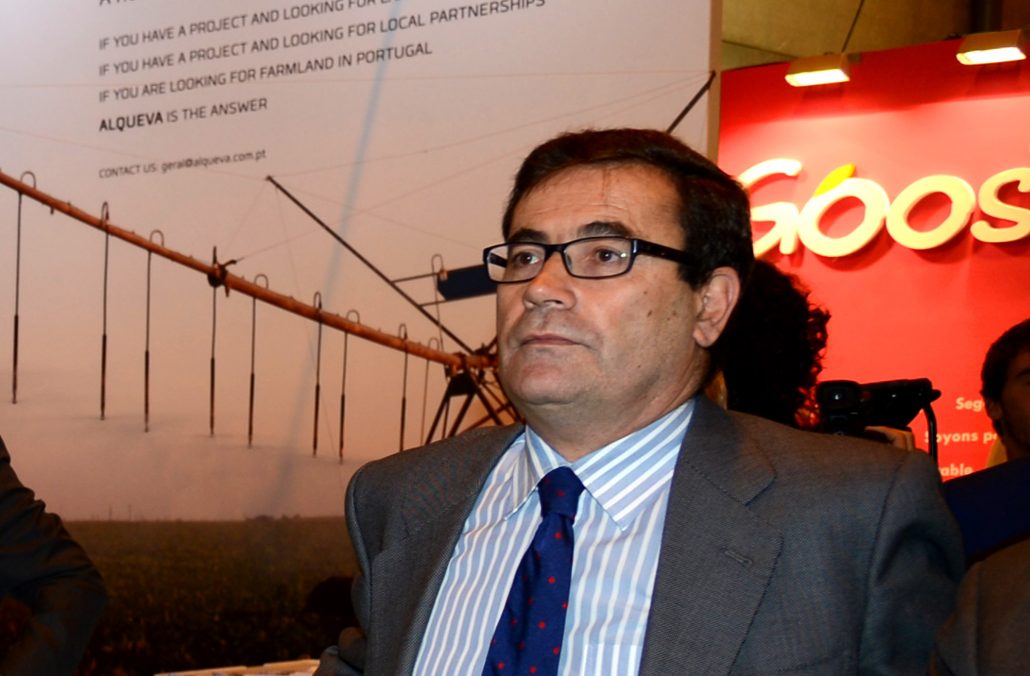
The Secretary General of Agriculture and Food of Spain, Carlos Cabanas, said that the Transatlantic Free Trade Agreement is the most important challenge for EU trade negotiations in all his years of history, most of the free trade area established world, but it will not reduce the application of standards and flexible policies of the EU Member States.
The Spanish food exports now account for 17% of the total value of 40,830 million euros (2014), according to the Ministry of Agriculture, Food and Environment (Magrama). Its secretary general, Carlos Cabanas, highlighted in the X Congress of the Spanish Association of Agricultural Economics of the importance that the Free Trade Agreement between the European Union (EU) and United States (USA) may have for Spain, and that according to the impact assessment of the European Commission, it may involve increased volume of exports, and provide new opportunities for the sector in growth, development and job creation throughout the country.
The TTIP assumed the challenge of trade negotiations more important that the EU has had in all his years of history, as is establishing the largest free trade area in the world. To do this, he explained the Secretary General, working on the construction of three pillars: market access; regulatory aspects and non-tariff barriers and rules.

Since Spain is the eighth exporting country worldwide, Cabanas has indicated that the aim is to strengthen the internationalization of companies, increasing its presence in traditional markets and find new ones.
We export more volume with greater added value and certainly the United States is overlooking future, the best market in the world to get, stressed the Secretary General.
In the case of the olive sector Cabanas has suggested that, if this agreement removing barriers is achieved, the inspections currently being carried out at 100% of the consignments of olives, the extra cost would be reduced to that means and causing difficulty in accessing the USA market.
If you currently are more than 350,000 tonnes the amount of Spanish olives that are exported to the United States, the removal of these barriers would mean that significantly would increase that amount of exported olives, according to the secretary general of Magrama.
Cabanas has stated that the achievement of the objectives outlined will not be at any price. The EU is committed to ensure that the growth of trade and investments do not reduce the application of standards and flexible policies of the
Member States concerning essential aspects such as sustainable development and the environment.