

Spain: Good practices for excellent eggs
July 16, 2015
The information campaign “The egg, labeled” explains the keys to handling eggs safely
Used in cooking such a versatile and easy to prepare food like egg seems simple, but doing it properly requires follow good management and conservation practices that not everyone knows or applied. Better keep eggs in the refrigerator or pantry? I wash eggs before storing them? Can I keep cooked foods at room temperature egg? They are everyday concerns of many consumers who Inprovo (Interprofessional Organization of the Egg and its Products) hopes to solve with the campaign “egg sticker”.
The European production model involves a major effort of producers to ensure that they reach our eggs fresh and safe houses.

Temperature and hygiene
The egg is one of the most sensitive to contamination and multiplication of bacteria food, which is essential to keep it, manipulate and consume properly, to maintain quality and retain their freshness. At home, we must keep the eggs at a temperature between 1 ° C and 10 ° C, without freezing, without temperature changes. The ideal place? The fridge. Store them unwashed and, if possible, in its case. And will maintain the natural protection of the eggshell against external microorganisms, strange odors or moisture. Moreover, to have on hand the important labeling information such as best before date (which is not obligatory to indicate in the eggshell, but in the packaging).
Sudden changes in temperature, especially cold to heat, are not good for the conservation of the egg. It is the reason why eggs are not refrigerated during distribution or at the point of purchase. We must also avoid them at home, taking the refrigerator only eggs you need. Before use, it should discard that are dirty, broken or cracked. It remembers that can be washed, but only before use, never before storing. And confirms that they are marked within the best before date.
Hands, surfaces and utensils should be clean before handling eggs. And must be cleaned later. Try not to crack the eggs into the bowl edge where we will beat or separate the white and the yolk in the shell, because we provide that any possible external contamination of shell pass to the edible part of the egg.
How to recognize a fresh egg
If they are well preserved (in refrigerator, without sudden changes in temperature) stay fresh up to 28 days from the start (this period is indicated on the package as “best before date”).
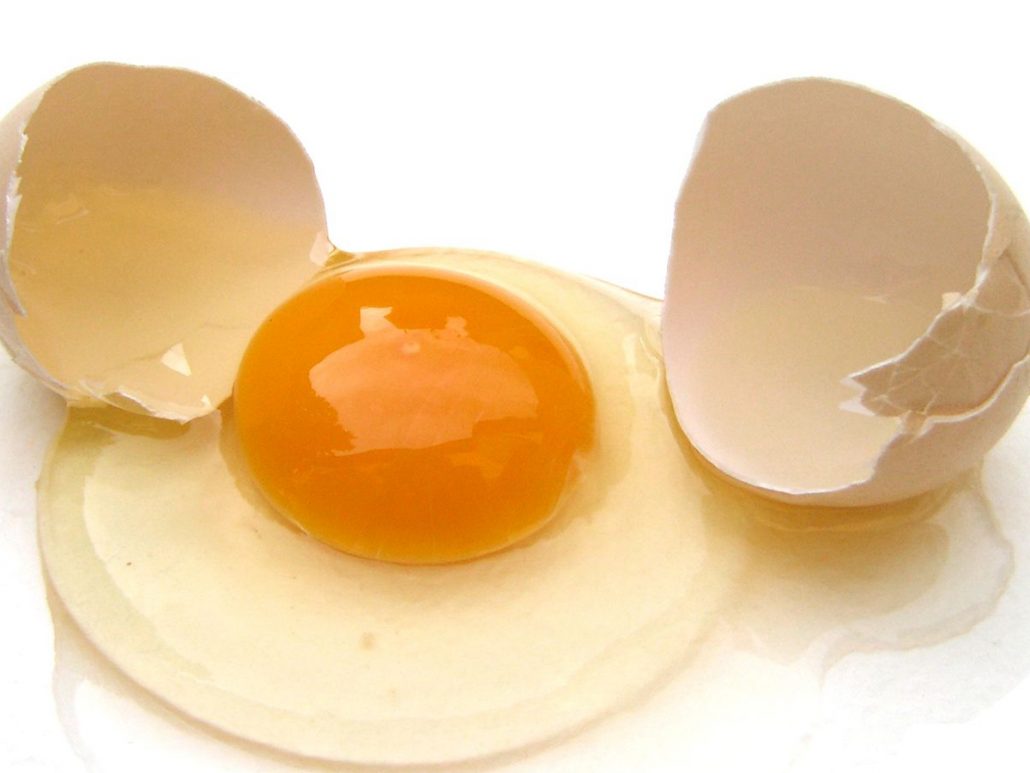
How do you know if the egg that we consume is fresh and is in top condition? We must verify that you have the shell clean, without cracks or breaks. When opened, the clear two main areas: a denser and other less, without becoming liquid. The yolk is firm and centered on the densest part of the clear, rising above this. As you lose freshness, flatter yolk and most widespread dense, almost indistinguishable from the clear liquid it is observed. “Clouds” or “lumps” whitish sometimes are seen in the clear signs of freshness and do not affect the quality or taste of the egg.
The best before date is not an expiry date indicates when an egg is considered no longer fresh, ie, has lost quality. It is advisable to use it in cooked at temperatures above 75 ° C foods.
Sources: Improvo