
Processed meat, with more risk of generating cancer, according to WHO
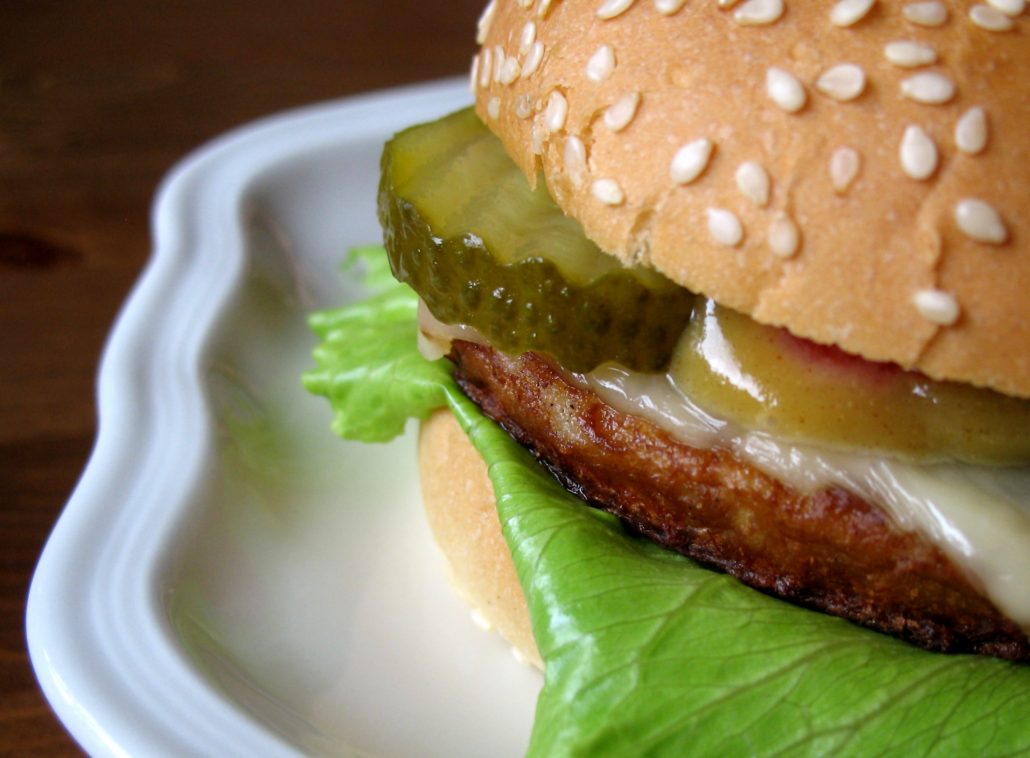
Processed meats such as hot dogs or hamburgers, increase the risk of cancer. This was made public today the World Health Organization in an analysis of the consumption of red meat and derivatives. Although this association was mainly observed in colorectal cancer, it has also been seen in pancreas and prostate tumors.
The International Agency for Research on Cancer (IARC, for its acronym in English), specialized in this disease of the World Health Organization (WHO) institution, it has assessed the carcinogenicity of red meat and processed meat.
The authors of this review of over 800 studies experts -22 countries classified 10 different-consumption of red meat as’ probably carcinogenic to humans “(Group 2A), based on the limited evidence that ingestion causes cancer and strong mechanistic evidence supporting such carcinogenic effect.
Meanwhile, data for processed meat are much stronger, qualifying directly as ‘carcinogenic to humans’ (Group 1), based on sufficient evidence that its consumption causes colorectal cancer in humans.

Thus the scientists concluded that each portion of 50 grams of processed meat consumed daily increases the risk of colorectal cancer by 18%. The results are published today in The Lancet Oncology.
“For an individual, the risk of developing colorectal cancer by eating processed meat remains small, but increases with the amount of meat consumed,” explains Kurt Straif, head of Program IARC Monographs.
According to WHO, red meat is whole muscle meat of mammals, including beef, pork, lamb, goat and horse. In addition, processed meat refers to that has been transformed through salting, curing, fermentation, smoking, or other processes to improve taste or conservation.
Examples of processed meats including sausages, ham, corned beef, beef jerky or dried meat and meat preparations and canned meat sauces.

Why increases the risk of cancer
Meat is composed of several components, such as heme iron, which is used to make red blood cells. But it can also contain chemicals that form during processing or cooking.
For example, they include N-nitroso compounds and polycyclic aromatic hydrocarbons among the carcinogenic chemicals that are created during the processing of meat.
The cooking of red meat or processed also produces heterocyclic aromatic amines and other chemicals including polycyclic aromatic hydrocarbons, also found in other foods and contaminated air.
The meat may contain chemicals that are formed during the processing or cooking
However, even though some of these chemicals are known carcinogens or suspected, experts still do not completely understand how cancer risk is increased by this type of meat.
Public health problem
Meat consumption varies widely between countries, from a small percentage up to 100% of people who eat red meat. Although the proportion of processed meats is lower, Straif adds that its impact on cancer incidence “is of importance to public health.”
But should we stop eating meat? Since WHO make it clear that eating meat has health benefits. However, “many national recommendations advise people to limit consumption of processed meat and red meat, as both are linked to an increased risk of death from heart disease, diabetes and other diseases.”
Source: SINC