
FAO: International Year of Pulses 2016
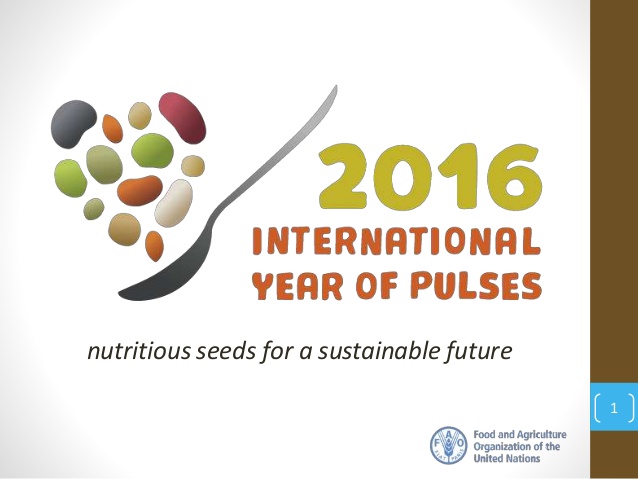
The 68th UN General Assembly declared 2016 the International Year of Pulses (IYP). The Food and Agriculture Organization of the United Nations (FAO) has been nominated to facilitate the implementation of the Year in collaboration with Governments, relevant organizations, non-governmental organizations and all other relevant stakeholders.
The IYP 2016 aims to heighten public awareness of the nutritional benefits of pulses as part of sustainable food production aimed towards food security and nutrition. The Year will create a unique opportunity to encourage connections throughout the food chain that would better utilize pulse-based proteins, further global production of pulses, better utilize crop rotations and address the challenges in the trade of pulses.
What are pulses and why are they important?
Pulses are annual leguminous crops yielding between one and 12 grains or seeds of variable size, shape and colour within a pod, used for both food and feed. The term “pulses” is limited to crops harvested solely for dry grain, thereby excluding crops harvested green for food, which are classified as vegetable crops, as well as those crops used mainly for oil extraction and leguminous crops that are used exclusively for sowing purposes (based on the definition of “pulses and derived products” of the Food and Agriculture Organization of the United Nations).
Pulse crops such as lentils, beans, peas and chickpeas are a critical part of the general food basket. Pulses are a vital source of plant-based proteins and amino acids for people around the globe and should be eaten as part of a healthy diet to address obesity, as well as to prevent and help manage chronic diseases such as diabetes, coronary conditions and cancer; they are also an important source of plant-based protein for animals.
In addition, pulses are leguminous plants that have nitrogen-fixing properties which can contribute to increasing soil fertility and have a positive impact on the environment.
The IYP website will be the main platform to share information and relevant resources with different partners. The current version will be updated soon, please come back for more information.
Source: FAO