
Copa-Cogeca Working Party on Wine presented its harvest estimates
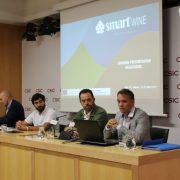
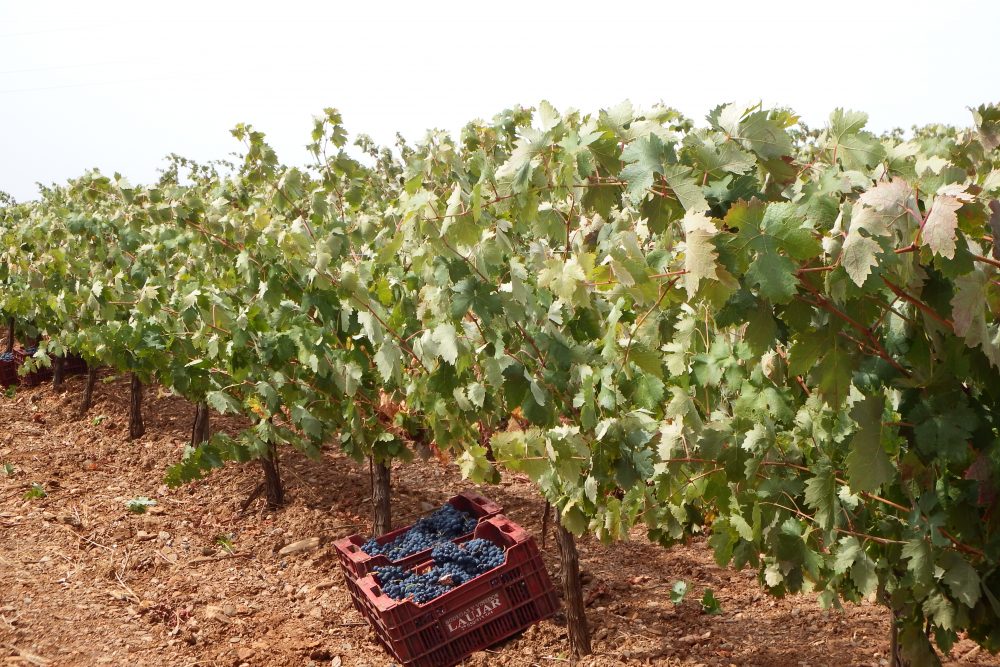
On the occasion of the 2022 Wine Harvest Event, the Copa-Cogeca Working Party on Wine presented its harvest estimates. The 2022 EU wine production is to be marginally improved (+2%) in comparison to the previous marketing year but still falls short of the 5-year average, as forecasted in a previous communication.
Droughts, scorching temperatures and episodes of frost/hail account for the tepid increase in yields. On a positive note, high quality wines are expected to be obtained, thanks to the good health status of the grapes and the absence of diseases.
The 2022 harvest was accompanied with great apprehension due to the now chronic effects of climate change, which manifested itself with very uncertain and often extreme weather pattes leading to major differences in quality and quantity. The August rains radically changed forecast picture in some cases, bringing optimism. The harvest estimates are now confirming the forecast figures published mid September. The quantity this year is decent but far from abundant.
“Of great concern is the market situation which for the second consecutive year is marked by skyrocketing production costs that are jeopardising the economic viability of winegrowers and wineries across the EU. The soaring energy costs are at the source of it, as they have wide spread ramifications ranging from inputs (glass, cardboard and fertilisers) to transport freights and EU citizens purchasing power. It is paramount that measures are taken at EU level to reduce energy costs as soon as possible” underlined the Wine Working Party Chairman, Mr Luca Rigotti.

This year’s event took stock of the recent geo-political developments and explored solutions to key market, regulatory and climate change challenges affecting viticulture. Structured around three themes: international trade, innovation, and digitalisation, it examined how trade agreements, resistant varieties and digital tools can mitigate the risks and increase the wine sector’s resilience to external shocks. The event gathered experts from academia, the EU institutions, and the sector itself. Participants concurred on the need to seize the opportunities offered by innovation.
For Mr Rigotti, innovation and digitalisation are part of the solution to the many challenges faced by the sector and need to be further embraced, especially at the political level, “Producers are committed to mitigating the impact of climate change and preserving the environment, but we also need the appropriate toolbox, regulatory framework, and time to make use of it.
Innovation can help to this end by improving yields and reducing inputs. At the same time, innovation and digitalisation can enable producers provide timely information to consumers on the list of ingredients and nutrition declaration and their sustainability efforts. Most importantly, we need certainty that our efforts to innovate and apply good practices that respect the environment, as well as the consumer, will not be thwarted in a few-months’ time by legislative proposals far from the reality on the ground such as those concerning the sustainable use of plant protection products and the upcoming revision of the FIC Regulation. These are proposals for which the sector wants to be an active player in order to find solutions that meet the needs of winegrowers.”