




 https://ecomercioagrario.com/wp-content/uploads/2017/06/170616_IICA_IUSDA.jpg
443
662
Redacción ECA
https://ecomercioagrario.com/wp-content/uploads/2022/01/banner-eca-ing.jpg
Redacción ECA2017-06-16 12:00:072017-06-19 06:59:44Professionals from Peru and Colombia receive training on new export requirements to the USA
https://ecomercioagrario.com/wp-content/uploads/2017/06/170616_IICA_IUSDA.jpg
443
662
Redacción ECA
https://ecomercioagrario.com/wp-content/uploads/2022/01/banner-eca-ing.jpg
Redacción ECA2017-06-16 12:00:072017-06-19 06:59:44Professionals from Peru and Colombia receive training on new export requirements to the USA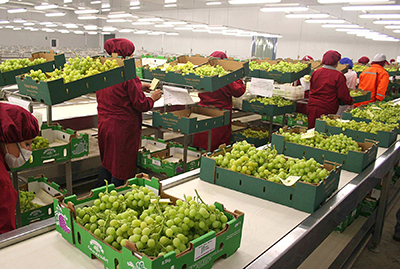 https://ecomercioagrario.com/wp-content/uploads/2017/06/170614_Perú_Holanda.jpg
269
400
Redacción ECA
https://ecomercioagrario.com/wp-content/uploads/2022/01/banner-eca-ing.jpg
Redacción ECA2017-06-14 09:22:472017-06-14 09:22:47Agri-food exports between Peru and the Netherlands will be certified electronically
https://ecomercioagrario.com/wp-content/uploads/2017/06/170614_Perú_Holanda.jpg
269
400
Redacción ECA
https://ecomercioagrario.com/wp-content/uploads/2022/01/banner-eca-ing.jpg
Redacción ECA2017-06-14 09:22:472017-06-14 09:22:47Agri-food exports between Peru and the Netherlands will be certified electronically https://ecomercioagrario.com/wp-content/uploads/2017/05/170530_firmaacuerdoChile_India.jpg
486
648
Redacción ECA
https://ecomercioagrario.com/wp-content/uploads/2022/01/banner-eca-ing.jpg
Redacción ECA2017-05-30 12:31:082017-05-30 12:31:08Chile: India opens doors to its exports of fresh avocados and blueberries
https://ecomercioagrario.com/wp-content/uploads/2017/05/170530_firmaacuerdoChile_India.jpg
486
648
Redacción ECA
https://ecomercioagrario.com/wp-content/uploads/2022/01/banner-eca-ing.jpg
Redacción ECA2017-05-30 12:31:082017-05-30 12:31:08Chile: India opens doors to its exports of fresh avocados and blueberries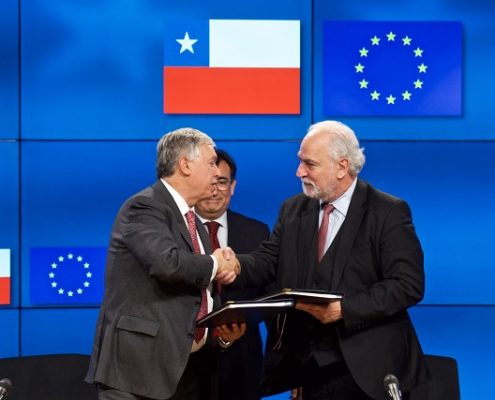 https://ecomercioagrario.com/wp-content/uploads/2017/05/170516_acuerdo-UE_Chile.jpg
427
640
Redacción ECA
https://ecomercioagrario.com/wp-content/uploads/2022/01/banner-eca-ing.jpg
Redacción ECA2017-05-17 09:40:422017-05-17 17:24:40Chile signs an agreement with the EU that equates the certification standards of ecological products
https://ecomercioagrario.com/wp-content/uploads/2017/05/170516_acuerdo-UE_Chile.jpg
427
640
Redacción ECA
https://ecomercioagrario.com/wp-content/uploads/2022/01/banner-eca-ing.jpg
Redacción ECA2017-05-17 09:40:422017-05-17 17:24:40Chile signs an agreement with the EU that equates the certification standards of ecological products https://ecomercioagrario.com/wp-content/uploads/2017/04/170420_productos-argentinos-con-denominación-de-calidad.jpg
480
720
Redacción ECA
https://ecomercioagrario.com/wp-content/uploads/2022/01/banner-eca-ing.jpg
Redacción ECA2017-04-25 12:54:172017-04-25 12:54:17Argentina: 0.5% will be reclassified to organic products or covered by quality certificates
https://ecomercioagrario.com/wp-content/uploads/2017/04/170420_productos-argentinos-con-denominación-de-calidad.jpg
480
720
Redacción ECA
https://ecomercioagrario.com/wp-content/uploads/2022/01/banner-eca-ing.jpg
Redacción ECA2017-04-25 12:54:172017-04-25 12:54:17Argentina: 0.5% will be reclassified to organic products or covered by quality certificates https://ecomercioagrario.com/wp-content/uploads/2017/04/170419_producción-de-cereales-en-Argentina.jpg
335
648
Redacción ECA
https://ecomercioagrario.com/wp-content/uploads/2022/01/banner-eca-ing.jpg
Redacción ECA2017-04-21 11:13:092017-04-21 11:13:09Argentina: grain harvest will exceed 130Mt despite floods
https://ecomercioagrario.com/wp-content/uploads/2017/04/170419_producción-de-cereales-en-Argentina.jpg
335
648
Redacción ECA
https://ecomercioagrario.com/wp-content/uploads/2022/01/banner-eca-ing.jpg
Redacción ECA2017-04-21 11:13:092017-04-21 11:13:09Argentina: grain harvest will exceed 130Mt despite floods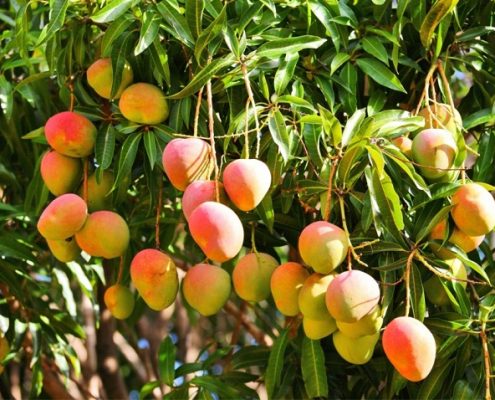 https://ecomercioagrario.com/wp-content/uploads/2017/04/170408_mangos.jpg
478
717
Redacción ECA
https://ecomercioagrario.com/wp-content/uploads/2022/01/banner-eca-ing.jpg
Redacción ECA2017-04-08 03:48:592017-04-20 11:13:28Colombia: Mango exports grew significantly in 2016
https://ecomercioagrario.com/wp-content/uploads/2017/04/170408_mangos.jpg
478
717
Redacción ECA
https://ecomercioagrario.com/wp-content/uploads/2022/01/banner-eca-ing.jpg
Redacción ECA2017-04-08 03:48:592017-04-20 11:13:28Colombia: Mango exports grew significantly in 2016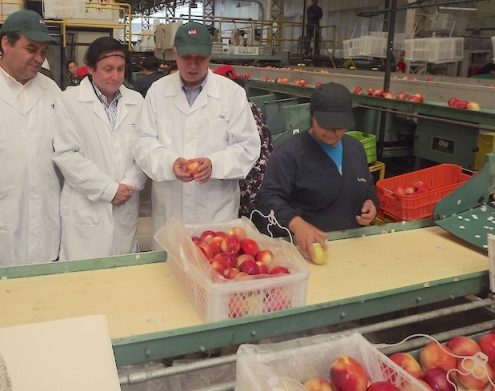 https://ecomercioagrario.com/wp-content/uploads/2017/03/170317_EXPORTACIÓN-NECTARINES-CHILENOS-A-CHINA.jpg
391
534
Redacción ECA
https://ecomercioagrario.com/wp-content/uploads/2022/01/banner-eca-ing.jpg
Redacción ECA2017-03-17 12:49:022017-03-17 12:49:02Chile: First exports of nectarines reach the Chinese market
https://ecomercioagrario.com/wp-content/uploads/2017/03/170317_EXPORTACIÓN-NECTARINES-CHILENOS-A-CHINA.jpg
391
534
Redacción ECA
https://ecomercioagrario.com/wp-content/uploads/2022/01/banner-eca-ing.jpg
Redacción ECA2017-03-17 12:49:022017-03-17 12:49:02Chile: First exports of nectarines reach the Chinese market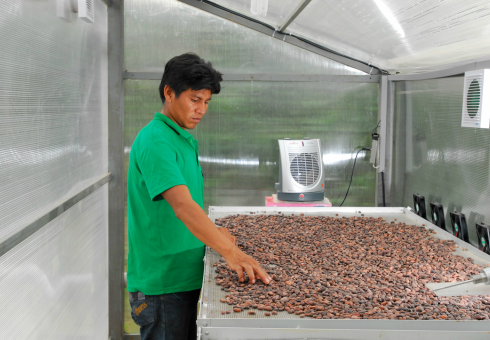 https://ecomercioagrario.com/wp-content/uploads/2017/03/170317_IMPLANTACIÓN-ENERGÍAS-RENOVABLES-EN-REGIÓN-ANDINA.png
340
490
Redacción ECA
https://ecomercioagrario.com/wp-content/uploads/2022/01/banner-eca-ing.jpg
Redacción ECA2017-03-17 11:27:342017-03-17 11:30:21IICA and Finland promote the use of renewable energy among farmers in the Andean region
https://ecomercioagrario.com/wp-content/uploads/2017/03/170317_IMPLANTACIÓN-ENERGÍAS-RENOVABLES-EN-REGIÓN-ANDINA.png
340
490
Redacción ECA
https://ecomercioagrario.com/wp-content/uploads/2022/01/banner-eca-ing.jpg
Redacción ECA2017-03-17 11:27:342017-03-17 11:30:21IICA and Finland promote the use of renewable energy among farmers in the Andean region https://ecomercioagrario.com/wp-content/uploads/2017/03/170313_café_El-Salvador.jpg
420
630
Redacción ECA
https://ecomercioagrario.com/wp-content/uploads/2022/01/banner-eca-ing.jpg
Redacción ECA2017-03-13 08:44:502017-03-13 08:44:50El Salvador: IICA collaborates with the Ministry of Agriculture to revive coffee cultivation
https://ecomercioagrario.com/wp-content/uploads/2017/03/170313_café_El-Salvador.jpg
420
630
Redacción ECA
https://ecomercioagrario.com/wp-content/uploads/2022/01/banner-eca-ing.jpg
Redacción ECA2017-03-13 08:44:502017-03-13 08:44:50El Salvador: IICA collaborates with the Ministry of Agriculture to revive coffee cultivation